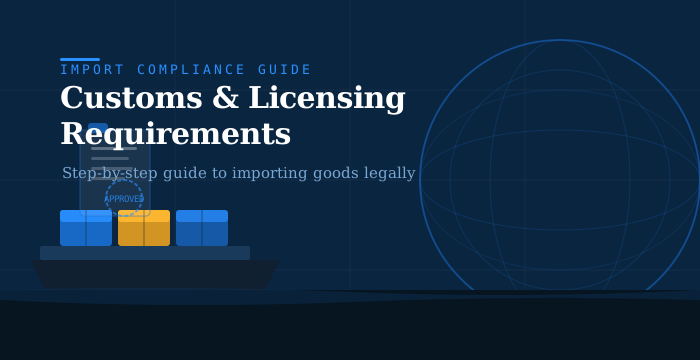
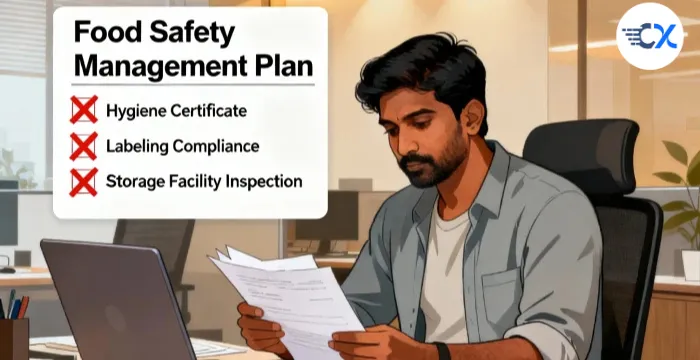
Exporting food is a profitable endeavor, but it comes with numerous regulations and requirements. You should follow both Indian rules and the laws of the buyer's country. To ensure your shipment proceeds as planned and there are no costly errors in customs, you must comply with the relevant customs regulations.
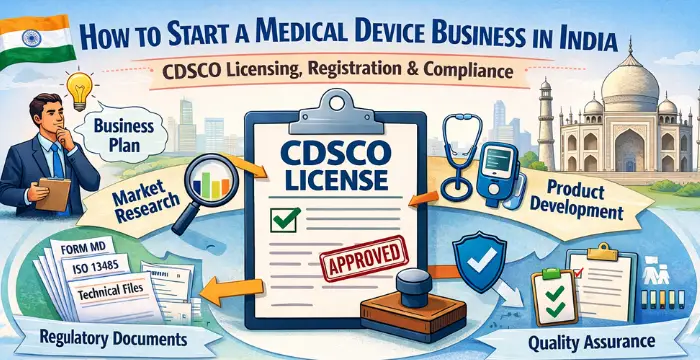
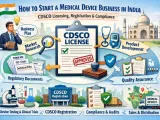
How to Start a Medical Device Business in India: CDSCO Licensing, Registration & Compliance
An entrepreneur willing to contribute to the healthcare sector while running a profitable business could look into starting a medical device business in India. This is basically an industry of essential tools for hospitals, clinics, and patients for purposes of diagnosis, treatment, and recovery. Indian medical device industry provides everything, including surgical instruments and sophisticated AI-embedded devices. Starting a medical device business in India requires proper planning, CDSCO licensing, and strict regulatory compliance, along with astute execution.
How to Start a Pharmacy Business in India: Complete License & Drug Registration Guide
Starting a pharmacy is one of the safest and most lucrative ventures in the healthcare industry. Drugs are always in demand, and with the rise of hospitals, clinics, and private healthcare facilities, the demand for pharmacies keeps increasing. Most entrepreneurs find it a viable option despite requiring initial capital investment, as it provides a guaranteed income and significant scope for expansion. However, starting a pharmacy by simply renting out a shop and selling medicines is not straightforward.
Restaurant Licenses in India: Complete Permit & Compliance Checklist for New Restaurants
Opening a restaurant in India involves more than just the location and menu development. Prior to serving guests, owners need to obtain necessary licenses and approvals. Permits from the central, state, and municipal governments are required for health, fire, food, and municipal regulations.
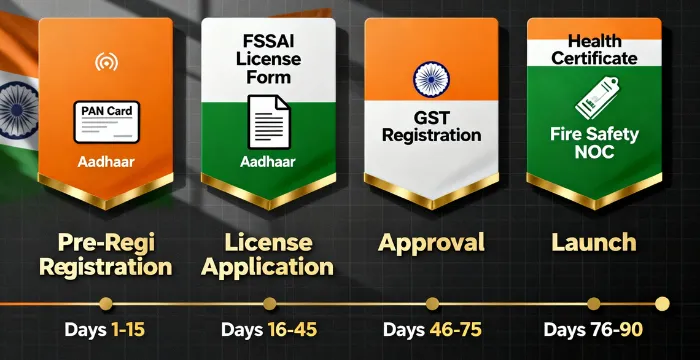
How to Start a Cloud Kitchen in India: Complete Guide to FSSAI License, GST Registration & Setup Costs
Cloud kitchens are transforming the Indian food sector, enabling entrepreneurs to prepare and deliver food via platforms such as Swiggy, Zomato, and Zepto Cafe. With no physical shop and fewer labour expenses, they prove to be a compelling choice for food entrepreneurs, but the key to success lies in smart planning.
How Lack of Business Licensing Affects Your Brand Reputation & Investor Trust in India
It is mandatory to obtain the correct business license in India to establish a business with a solid customer base and credibility. To enhance your brand value and maintain compliance, it is essential to obtain the necessary license. A business license will ensure that your company meets the standards in terms of quality and safety. The standards typically range from a trading license to unique permissions, such as the FSSAI License. Read on to learn about how a lack of licensing affects your brand reputation and investor trust.
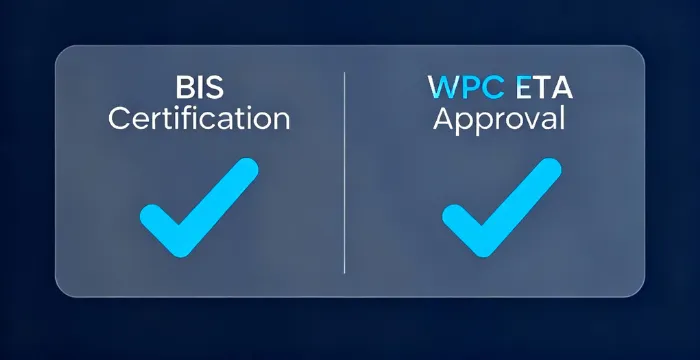
BIS vs WPC ETA Certification in India: Complete Guide & Key Differences
In the current business and logistics landscape, legal compliance is essential for product launches, mainly in India. This is even more important for electrical, wireless, or industrial equipment.
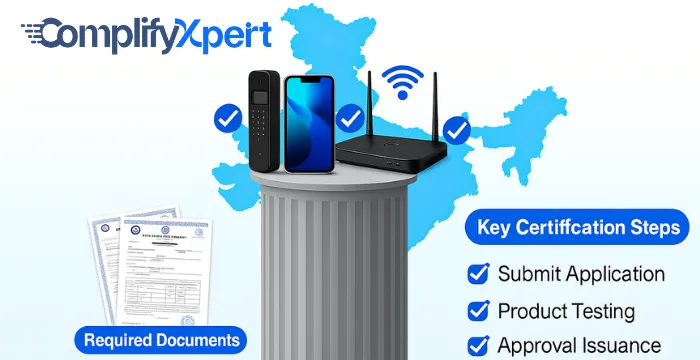
Common Mistakes in WPC ETA Certification: Complete Guide for Electronics Importers in India
Electronic product importers usually face some setbacks and legal problems during their attempt to secure the WPC ETA certification. This certification is an important component for bringing wireless products into the Indian market.
Top 10 Mistakes Food Businesses Make During FSSAI Registration
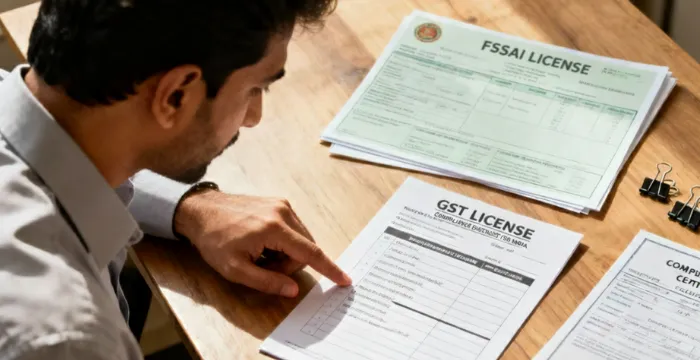
Opening a food business in India is thrilling, but it is also involved with many regulations. One of the first things that all food businesses have to do is obtain an FSSAI registration. This permit ensures that your food products are safe and your business is legitimate. But most individuals commit FSSAI registration errors that lead to delays, penalties, or rejection.
Tips for Ensuring a Smooth NSNM Medical Device Compliance Audit
An NSNM compliance audit can prove to be difficult for low-risk medical device manufacturers if they lack knowledge of the processes. A smooth NSNM medical device compliance audit keeps your team compliant with all CDSCO regulations and stays prepared for audits in India, and remains secure and legally compliant.