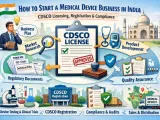
It is mandatory to obtain the correct business license in India to establish a business with a solid customer base and credibility. To enhance your brand value and maintain compliance, it is essential to obtain the necessary license. A business license will ensure that your company meets the standards in terms of quality and safety. The standards typically range from a trading license to unique permissions, such as the FSSAI License. Read on to learn about how a lack of licensing affects your brand reputation and investor trust.
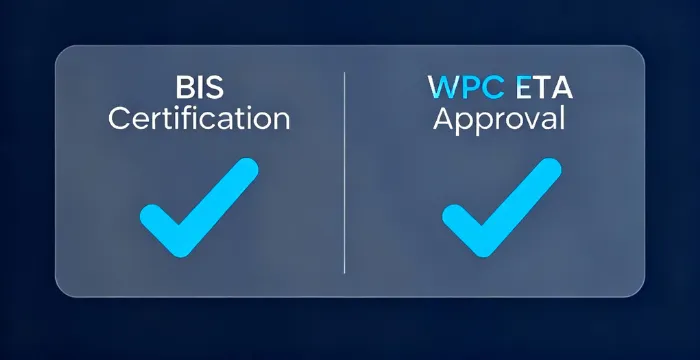
BIS vs WPC ETA Certification in India: Complete Guide & Key Differences
In the current business and logistics landscape, legal compliance is essential for product launches, mainly in India. This is even more important for electrical, wireless, or industrial equipment.
Common Mistakes in WPC ETA Certification: Complete Guide for Electronics Importers in India
Electronic product importers usually face some setbacks and legal problems during their attempt to secure the WPC ETA certification. This certification is an important component for bringing wireless products into the Indian market.
Legal Compliance Trends Every Entrepreneur Should Know in 2025
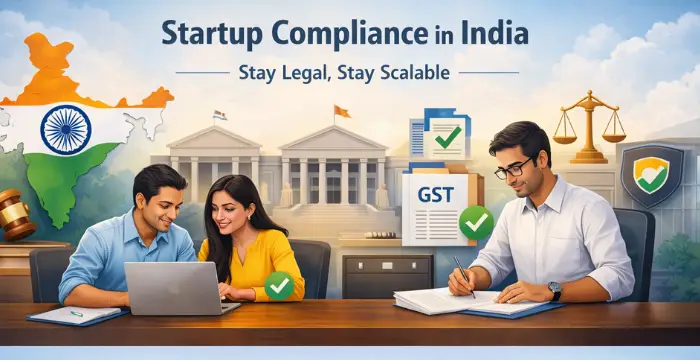
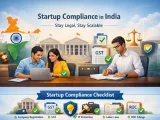
Indian businesses this year are being subjected to many regulations. Legal compliance trends change at the speed of light, and entrepreneurs must keep themselves updated to sidestep issues. Non-compliance can result in penalties, delays, and a negative reputation. For entrepreneurs, an awareness of the law and adherence to it with utmost care is necessary to establish a successful, smooth business.
Top 10 Mistakes Food Businesses Make During FSSAI Registration
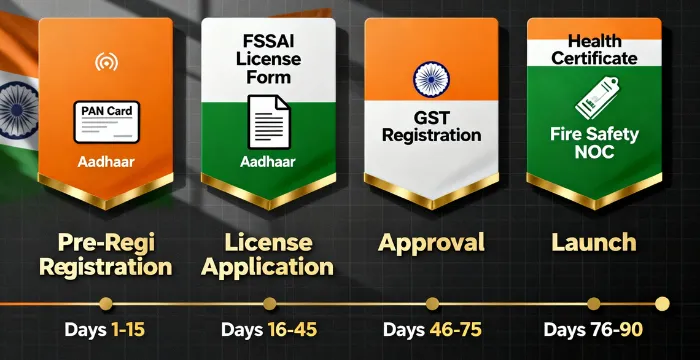
Opening a food business in India is thrilling, but it is also involved with many regulations. One of the first things that all food businesses have to do is obtain an FSSAI registration. This permit ensures that your food products are safe and your business is legitimate. But most individuals commit FSSAI registration errors that lead to delays, penalties, or rejection.
Step-by-Step GST Registration Process for New Businesses
All new Indian businesses that intend to sell goods or services are bound to follow government regulations. One such regulation is GST registration. GST registration in India facilitates your business to lawfully impose tax and grant input tax credit. It also helps build trust with your customers.
State-Wise Procedures and Compliance Checklist for Shop and Establishment Act
Starting any business requires some legal steps. One important legal step in India is the Shop and Establishment Act registration. This applies to most businesses, from small shops to large offices. Every state has its own rules, but the main purpose is the same, which is to regulate working hours, employee rights, and workplace conditions.
Eligibility Criteria & Documents Needed for MSME Registration
Starting and running a small business is not easy. You face numerous challenges, including slow payments and tough competition. But if you run a micro, small, or medium enterprise in India, MSME registration can help. This government process gives your business legal status and access to special support like loans, tax help, and buyer protection.
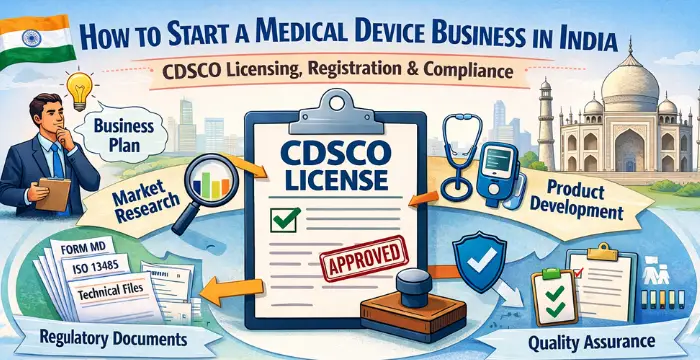
Tips for Ensuring a Smooth NSNM Medical Device Compliance Audit
An NSNM compliance audit can prove to be difficult for low-risk medical device manufacturers if they lack knowledge of the processes. A smooth NSNM medical device compliance audit keeps your team compliant with all CDSCO regulations and stays prepared for audits in India, and remains secure and legally compliant.
Documents Checklist for MD41 Medical Device Import Registration
Why must any firm begin with steps to get a permit called MD-41 when they aim to become a wholesaler of health items in India? If you want to legally sell or stock medical devices in India, the government requires an official paper set that proves you meet storage and technical staff rules.