AUTHOR

Ajay Kumar

Regulatory Compliance & Licensing Specialist (Drugs | Medical Devices | Cosmetics | Telecom (WPC ETA) | Environmental – EPR)

With 10+ years of hands-on experience in India’s regulatory landscape, I help manufacturers, importers, and service providers navigate complex licensing and compliance processes—efficiently and accurately.

Core Specializations

  • Pharmaceutical & Drug Licensing (CDSCO & State): Expert in securing Form 20/21 licenses and renewals, with a robust record of approvals.
  • Medical Device Registration: Proven experience with NSNM and MD-41 filings, including technical dossier preparation and regulatory strategy for CDSCO.
  • Cosmetics Import & Licensing: Skilled in Form 42/43 submissions via the SUGAM portal; adept at packaging, labeling, and Indian Standards compliance.
  • Telecom / WPC ETA Certification: Thorough knowledge of Wireless Planning & Coordination norms—supporting electronics and telecom manufacturers through all stages of ETA certification.
  • Environmental Compliance (EPR): Hands-on experience in EPR applications under CPCB e-waste, plastic waste, and extended producer responsibility frameworks.

Insights Written By Ajay Kumar

How to Export Food Products from India: Complete Legal Guide 2026
Exporting food is a profitable endeavor, but it comes with numerous regulations and requirements. You should follow both Indian rules and the laws of the buyer's country. To ensure your shipment proceeds as planned and there are no costly errors in customs, you must comply with the relevant customs regulations.
How to Ensure Your Startup Is Fully Compliant with Indian Laws
Starting a business is thrilling, but compliance ensures its stability and longevity. Every startup must comply with Indian regulations to avoid penalties and operate successfully. Failure to comply can harm reputation or even result in shutdowns. Ensuring startup compliance in India from day one creates a solid foundation. Read on to learn how to ensure your startup is fully compliant with Indian laws.
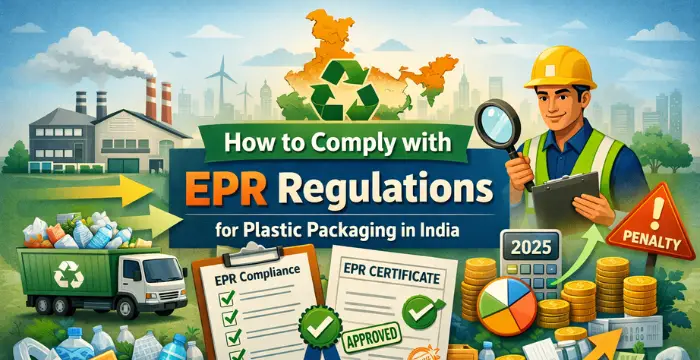
How to Comply with EPR Regulations for Plastic Packaging in India (2026 Guide)
In India, the Extended Producer Responsibility (EPR) regulations for plastic packaging are crucial to follow. With evolving habits and needs, it is everyone’s responsibility to keep the environment free from plastic related concerns. This is why the government requires businesses to follow EPR regulations for plastic packaging and manage plastic waste sustainably. Read on to learn how to comply with ERP regulations for plastic packaging.
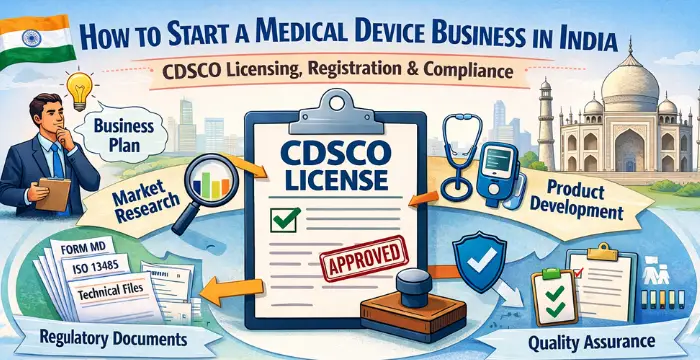
How to Start a Medical Device Business in India: CDSCO Licensing, Registration & Compliance
An entrepreneur willing to contribute to the healthcare sector while running a profitable business could look into starting a medical device business in India. This is basically an industry of essential tools for hospitals, clinics, and patients for purposes of diagnosis, treatment, and recovery. Indian medical device industry provides everything, including surgical instruments and sophisticated AI-embedded devices. Starting a medical device business in India requires proper planning, CDSCO licensing, and strict regulatory compliance, along with astute execution.
How to Start a Pharmacy Business in India: Complete License & Drug Registration Guide
Starting a pharmacy is one of the safest and most lucrative ventures in the healthcare industry. Drugs are always in demand, and with the rise of hospitals, clinics, and private healthcare facilities, the demand for pharmacies keeps increasing. Most entrepreneurs find it a viable option despite requiring initial capital investment, as it provides a guaranteed income and significant scope for expansion. However, starting a pharmacy by simply renting out a shop and selling medicines is not straightforward.
Chat Us
Chat With Us